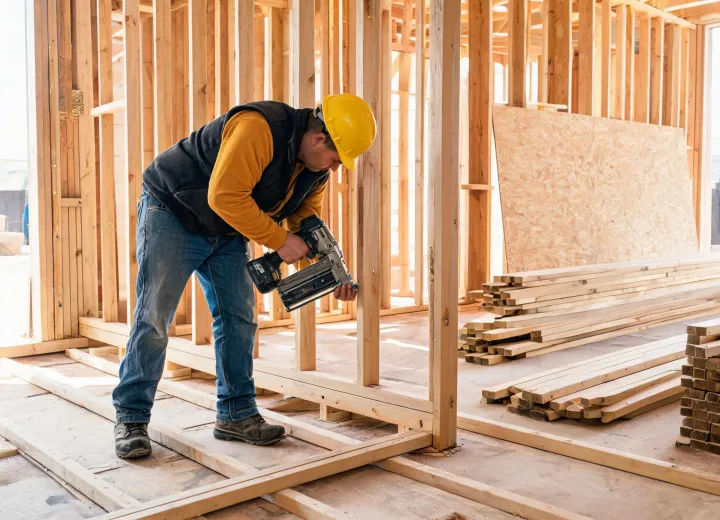
Residential Framing
Power format, fastener length, and reload rhythm matter when a crew is moving walls, joists, blocking, and sheathing.
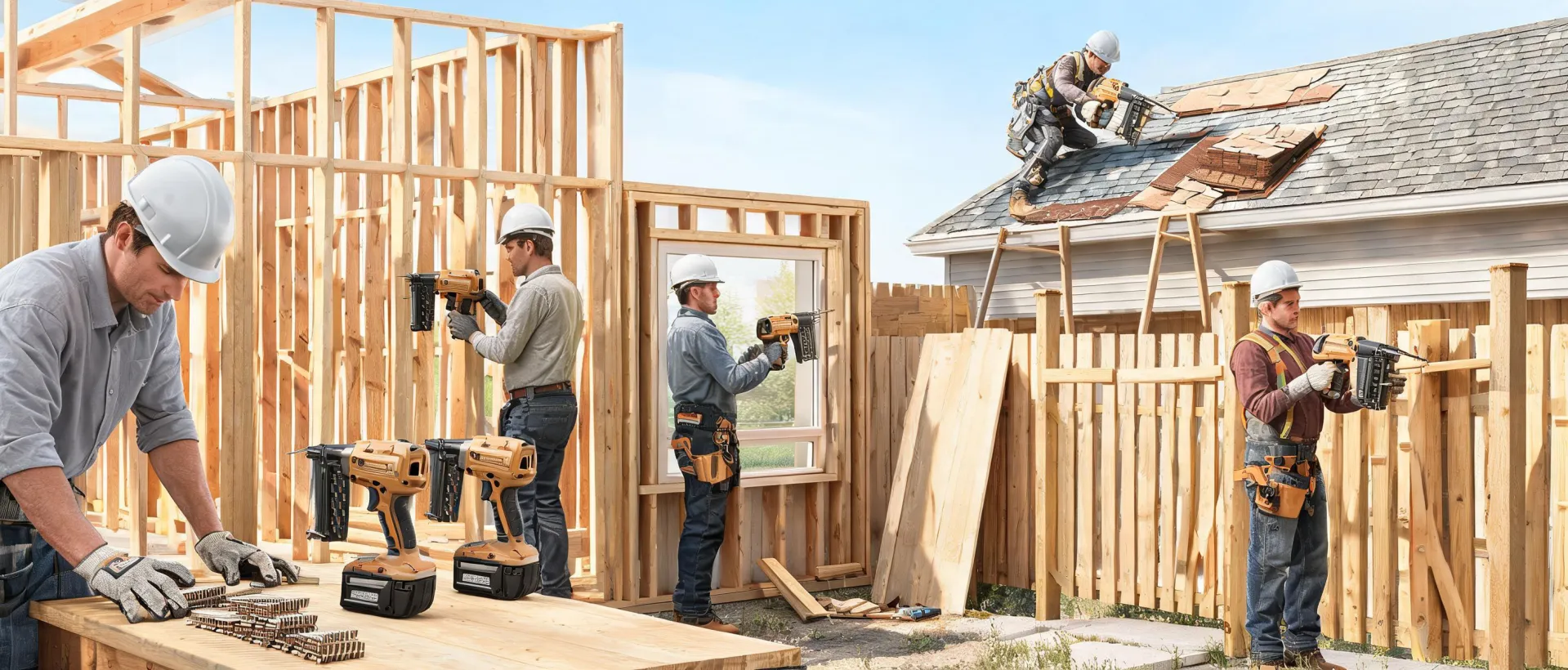
Different crews use nailers in different ways. The useful comparison is the material, access, firing rhythm, fastener type, and service plan behind each fastening task.
Paslode guidance stays close to the job: framing lines, trim detail, outdoor boards, roof repair, pallet work, and maintenance tasks that need repeatable fastening rather than broad product claims.
A crew may ask for the same general tool category, yet the right answer can change quickly once the material, access angle, fastener coating, reload rhythm, and service expectation are known. These examples show how a fastening question becomes clearer when it is tied to the work surface instead of a generic tool list.
Power format, fastener length, and reload rhythm matter when a crew is moving walls, joists, blocking, and sheathing.
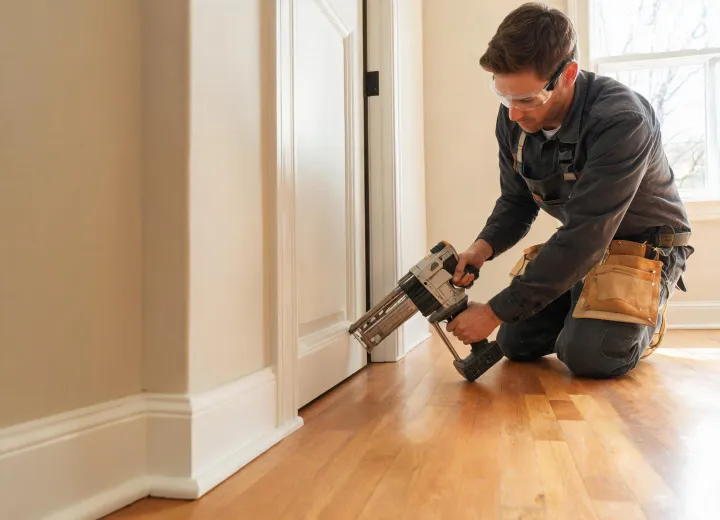
Depth control, nose marks, nail gauge, and material hardness shape the final look before putty and paint.
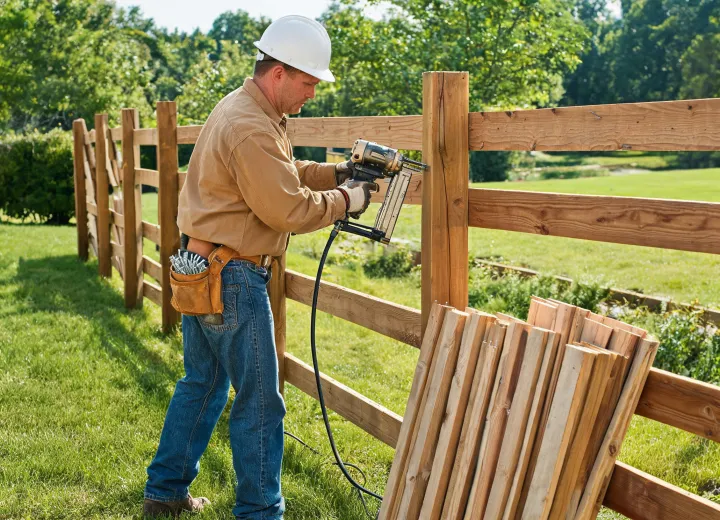
Outdoor fastening calls for coating awareness, board spacing, surface protection, and easy movement along long runs.

Short windows, changing surfaces, and safe tool handling make setup checks more important than broad speed claims.
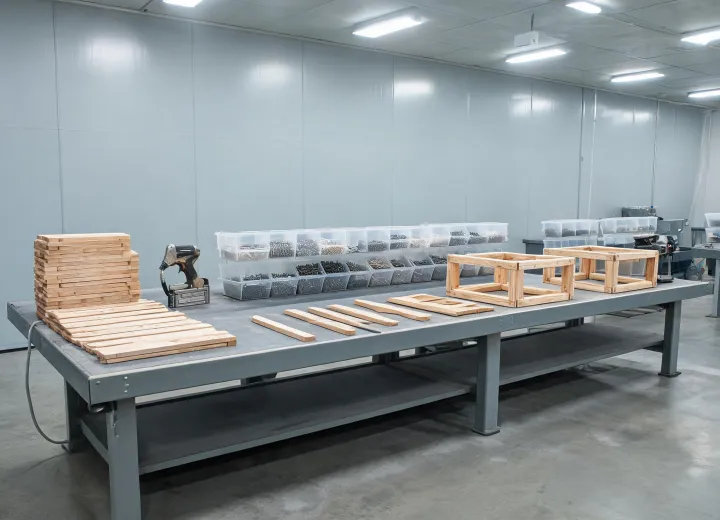
Repeat work benefits from clear fastener standards, charging routines, bench care, and documented tool handling.
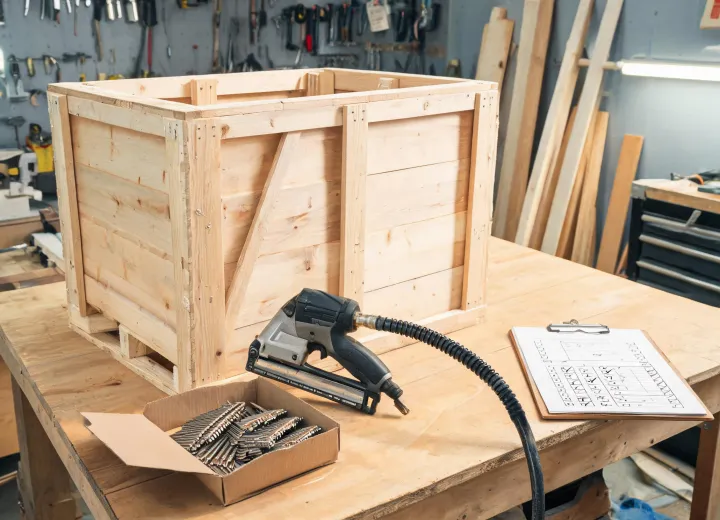
Pneumatic fastening, air supply, nail choice, and bench maintenance keep production steps predictable.
Use the inquiry path when the job has a detail that a simple catalog table does not answer: a specific lumber thickness, a mixed trim package, a cold morning fuel concern, a compressor shared by multiple tools, or a fastener coating question for exterior exposure.
Tell us the surface, fastener, crew rhythm, and support concern. We will help narrow the product and care path.
Request Application Help